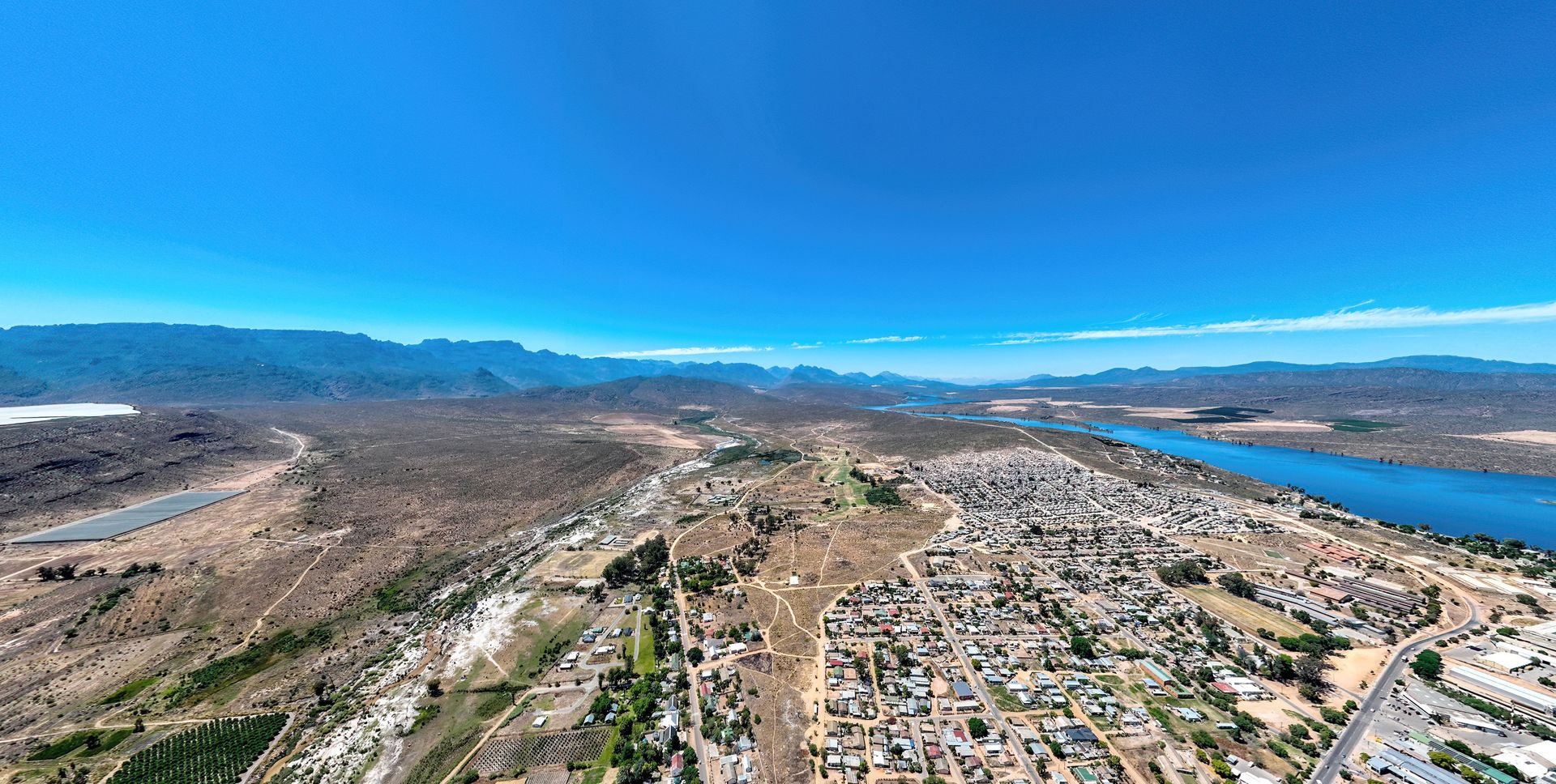
Visit Citrusdal — natural hot springs, citrus farms and the Cederberg in the Western Cape
Hot springs older than the road that leads to them. Citrus groves, Cederberg peaks, and a river in no particular hurry.
A valley that has never seen the point of hurrying.
So, what is Citrusdal?
Citrusdal is a small farming town in the Olifants River valley of the Western Cape, South Africa, 176 km north of Cape Town on the N7 — about a two-hour drive. It sits at the foot of the Cederberg mountains, grows roughly a seventh of South Africa’s citrus, and is best known for the natural hot springs at The Baths, which have run at 43 °C since long before anyone wrote them down.
- Province
- Western Cape, South Africa
- Region
- Olifants River valley, at the foot of the Cederberg
- Municipality
- Cederberg Local Municipality, West Coast District
- Population
- About 7,200 (2011 census)
- Founded
- 1916, by the Dutch Reformed Church
- The name
- Afrikaans for “citrus valley”
- From Cape Town
- 176 km, about 2 hours on the N7 — directions
- Coordinates
- 32°35′S, 19°01′E · postal code 7340
- Known for
- Hot springs, citrus, rooibos, the Cederberg
- Best time
- Any month — what each season is like
Where is Citrusdal?
In the Olifants River valley, 176 km north of Cape Town on the N7, over the Piekenierskloof Pass. Clanwilliam is 58 km further north; Piketberg is 48 km back south. Distances and directions ›
What is Citrusdal known for?
The 43 °C natural hot springs at The Baths, first recorded in 1739; citrus — about 14% of South Africa’s crop; and rooibos, which grows commercially nowhere on earth but these mountains. Fruit and rooibos ›
Is Citrusdal worth visiting?
For a quiet weekend of hot springs, farm stalls, mountains and dark skies, yes. For nightlife, shopping or a resort holiday, no — it is a working farming town of about 7,200 people. What there is to do ›


The Cederberg
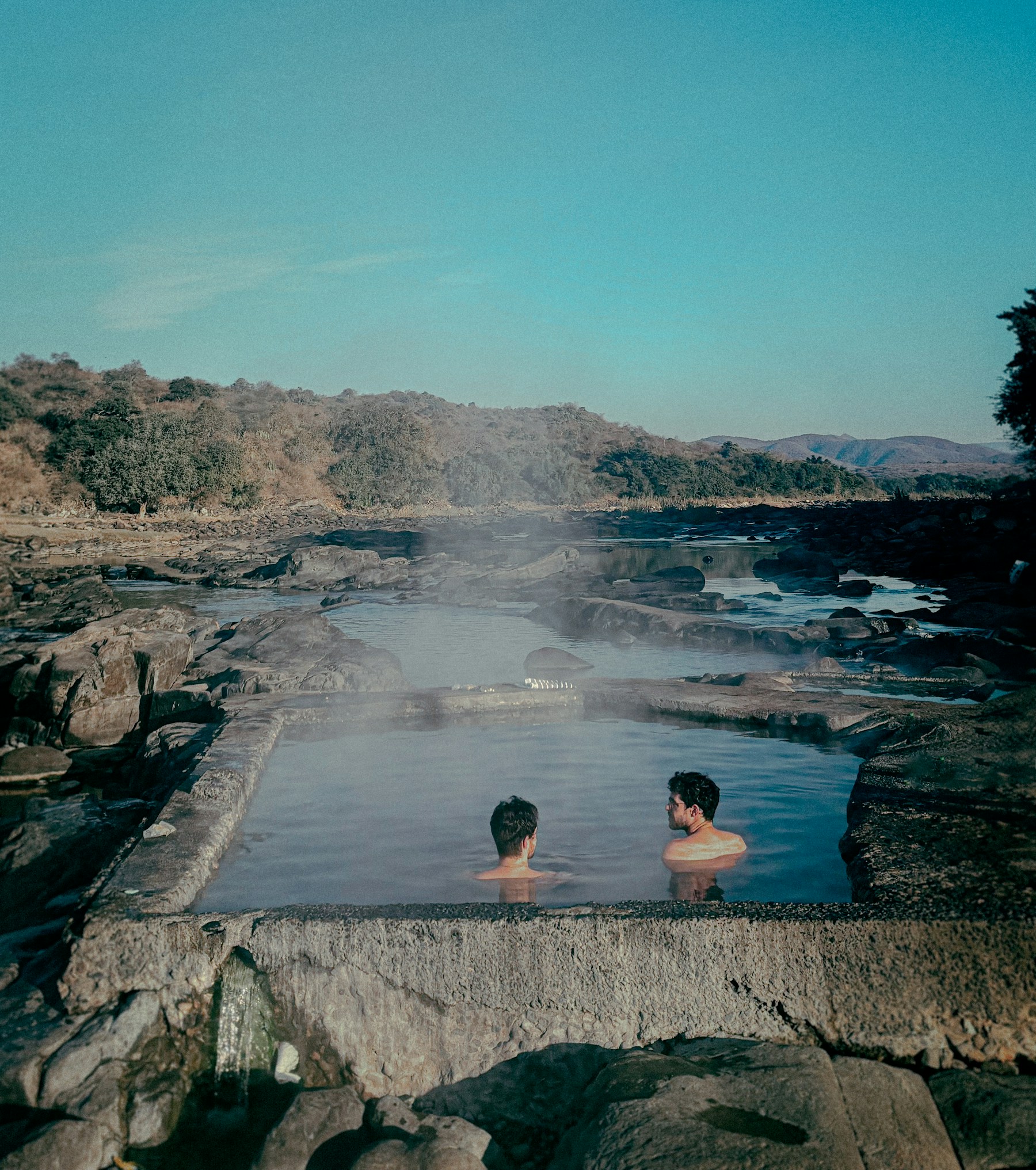
The Baths
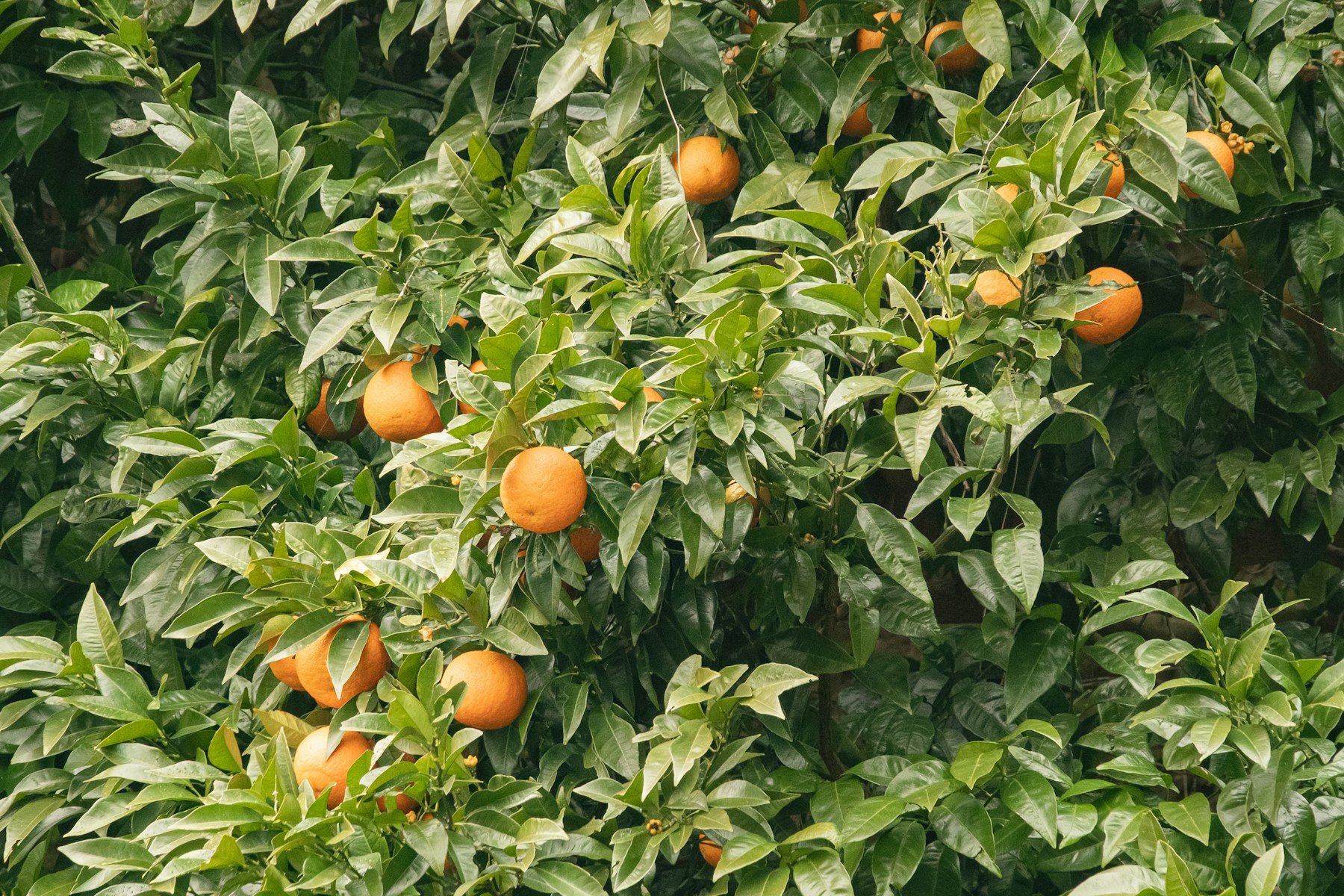
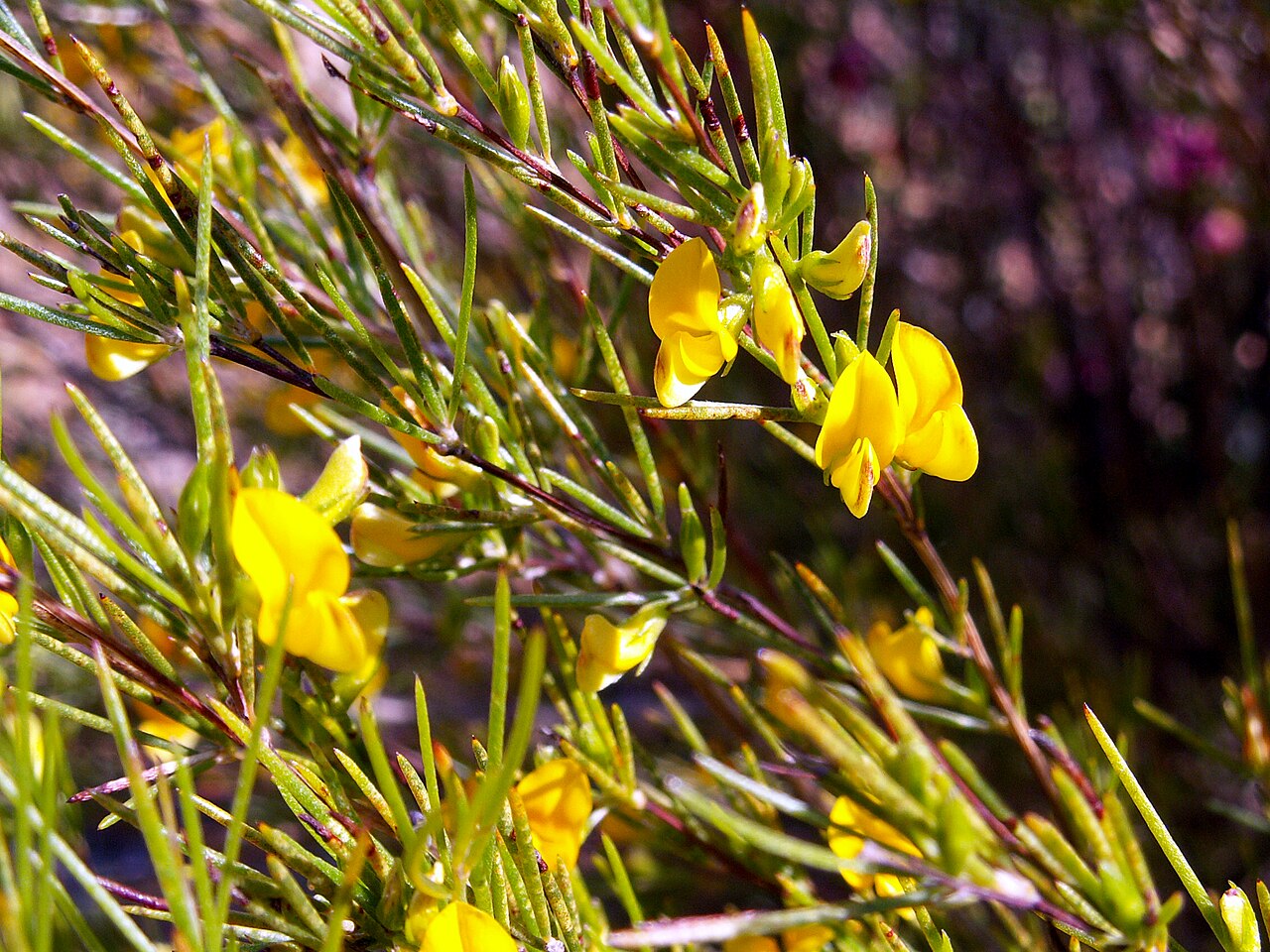
Citrus groves
The Olifants
Soak, climb, taste, or do nothing with real commitment.
 01
01
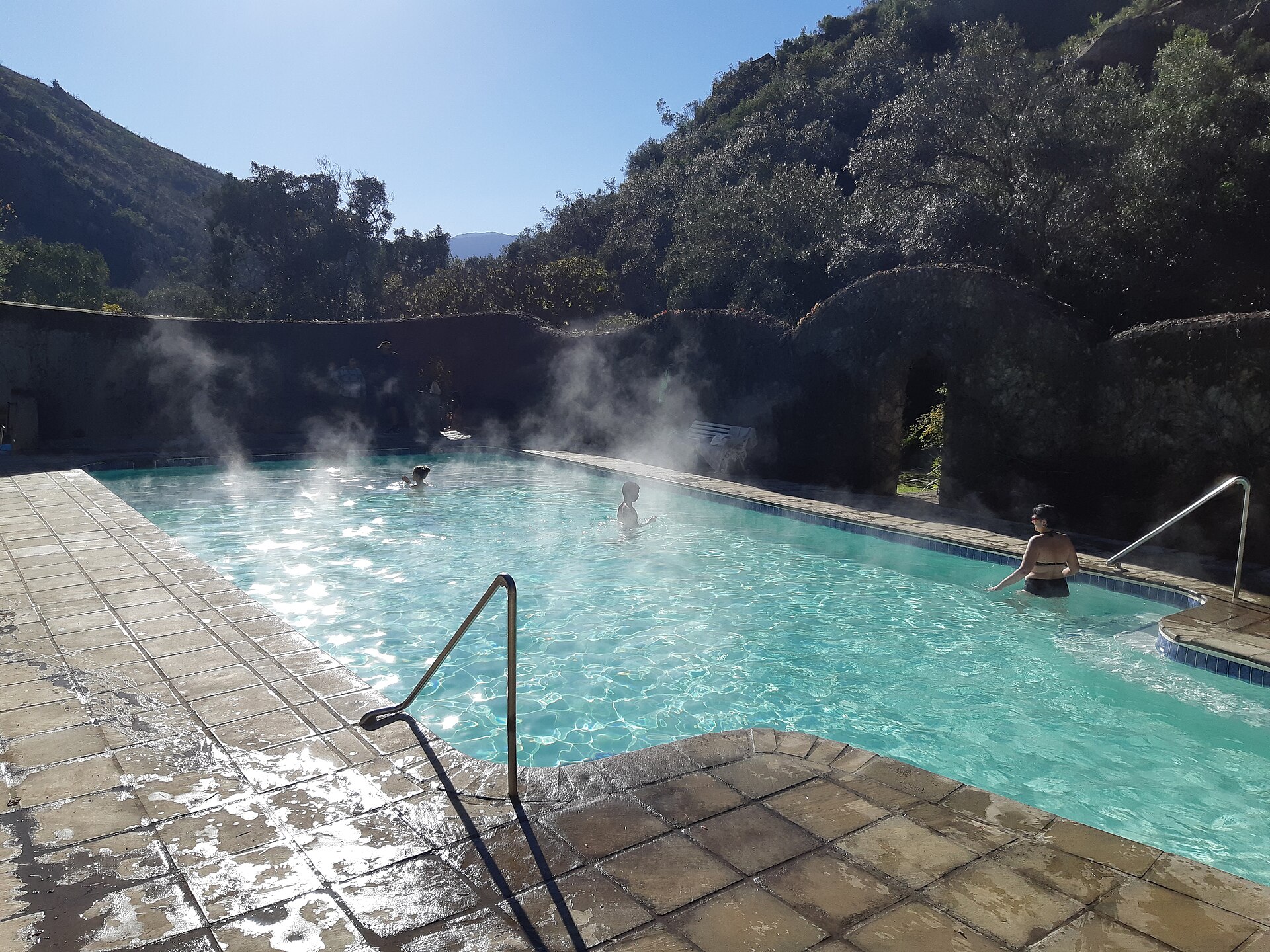
The Baths
Natural hot springs the valley has soaked in for generations. Chalets, flats and shaded camping.
02Farm tours
De Tol, Hexrivier and the packhouses.
 03
03Rooibos
Carmién, on the De Tol farm.

Bouldering
Sandstone, and a great deal of it.

Hiking
Cederberg trails, kloofs and day walks.

Olifants River
Kayaking and swimming.
 07
07Dark skies
No streetlights to argue with.
Two days. Two ways to spend them.
Pick a pace. We'll lay out a weekend around it — the plan below rebuilds itself.
The nearest streetlight is a long way off.
Older than the town that grew around it.
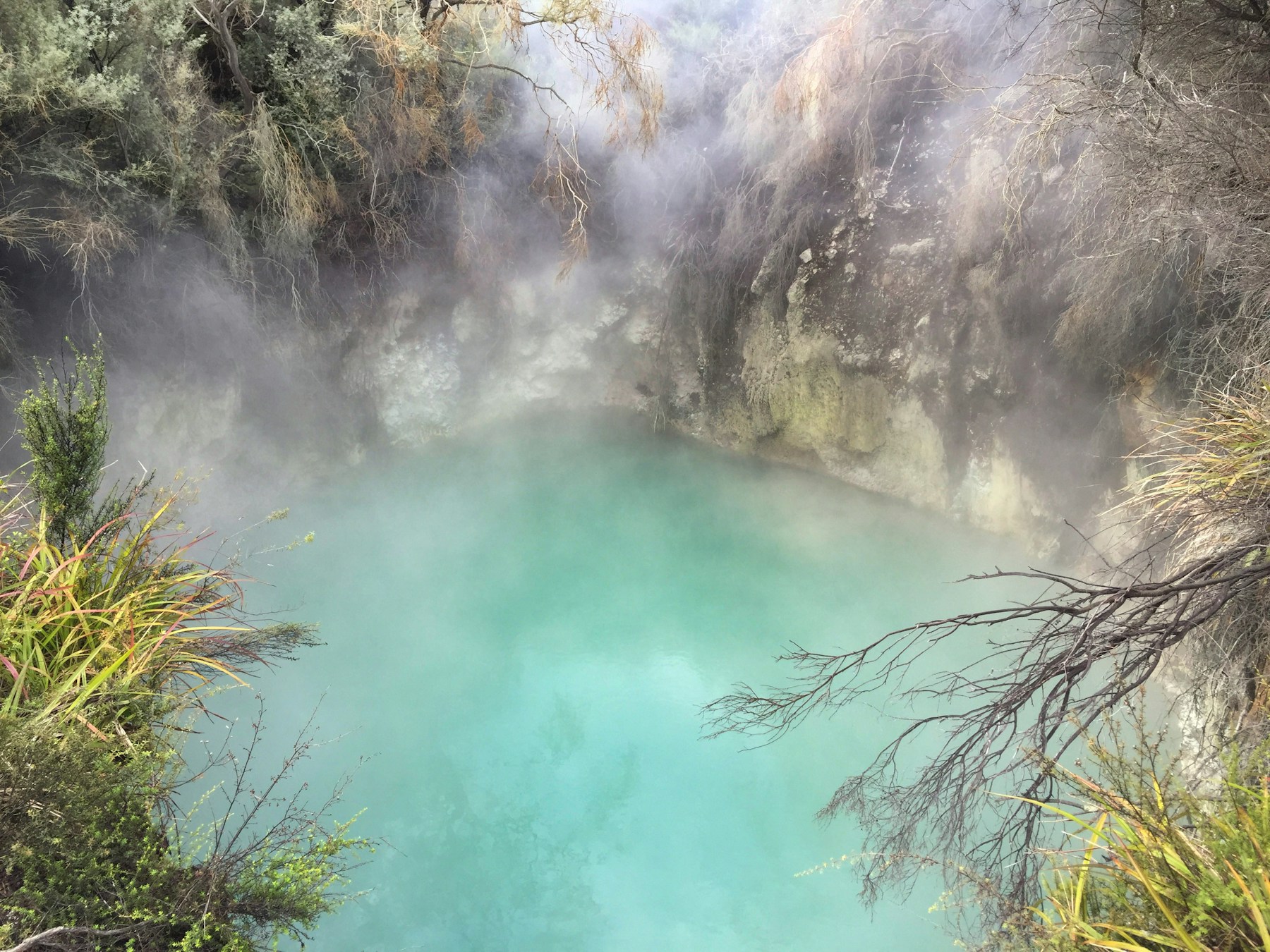
The San used this hot spring first. The Dutch East India Company wrote it down in 1739. The town itself only arrived in 1916 — a latecomer to its own valley. Water still comes out of the mountain at 43°C, at 105 000 litres an hour, exactly as it did three centuries ago.
Read the full historyNot just a pretty valley. A working one.
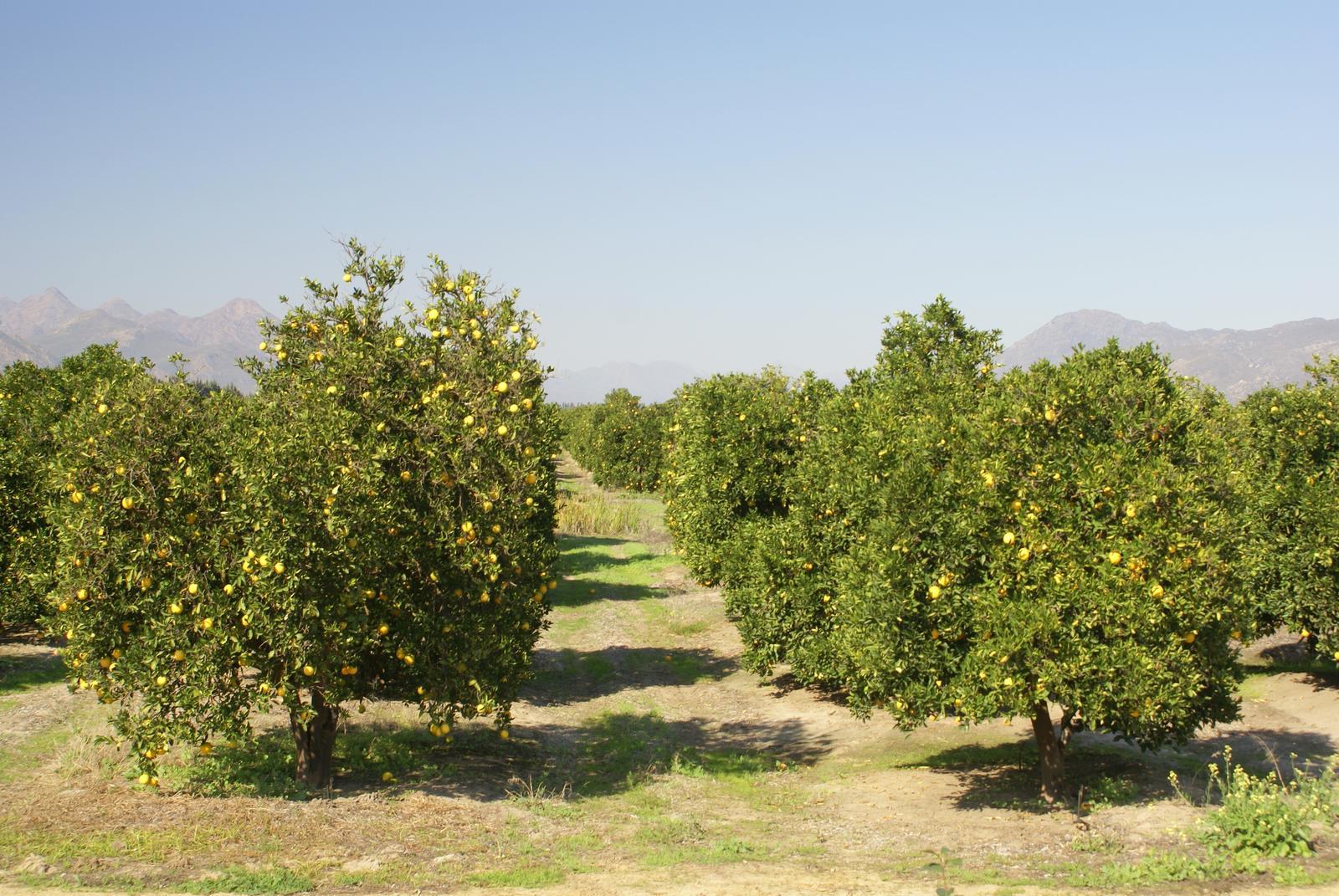
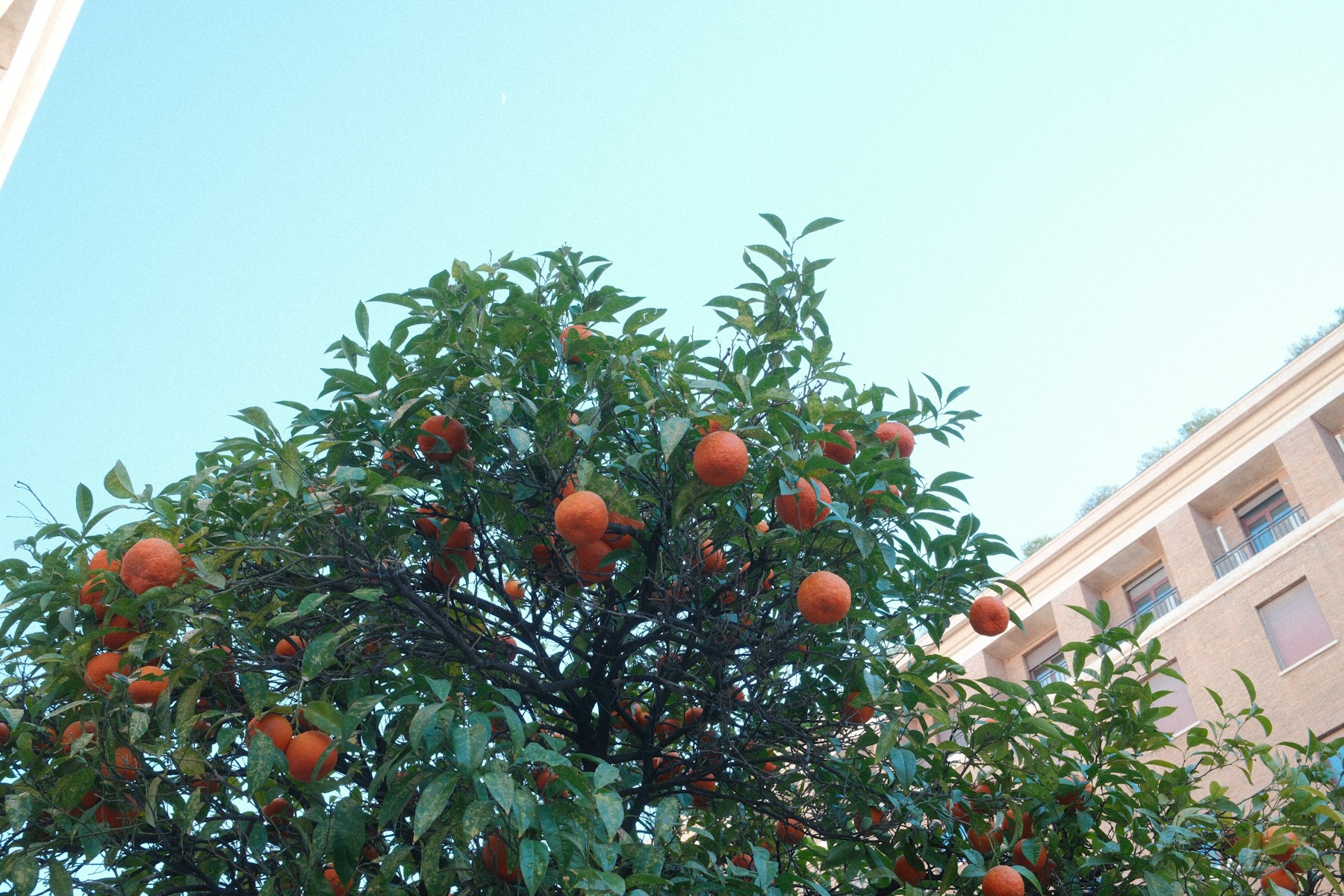
This is the centre of South Africa's third-largest citrus area — roughly 14% of the national crop, off about 200 farms — and the mountains behind it grow more than 90% of the country's rooibos. If you are sourcing rather than visiting, start here: who grows what, when it ships, and what the certifications actually mean.
Guest farms, chalets and a river-side pitch.
Everyone needs a butcher, a plumber and a hairdresser.
Nobody hands you that list when you move to a small town. The local list is the everyday one — who people here actually use, suggested by locals, with nobody paying to be on it.
Open the local listPostcards, more or less.
Hot springs, groves, mountains and river — hover any of them.