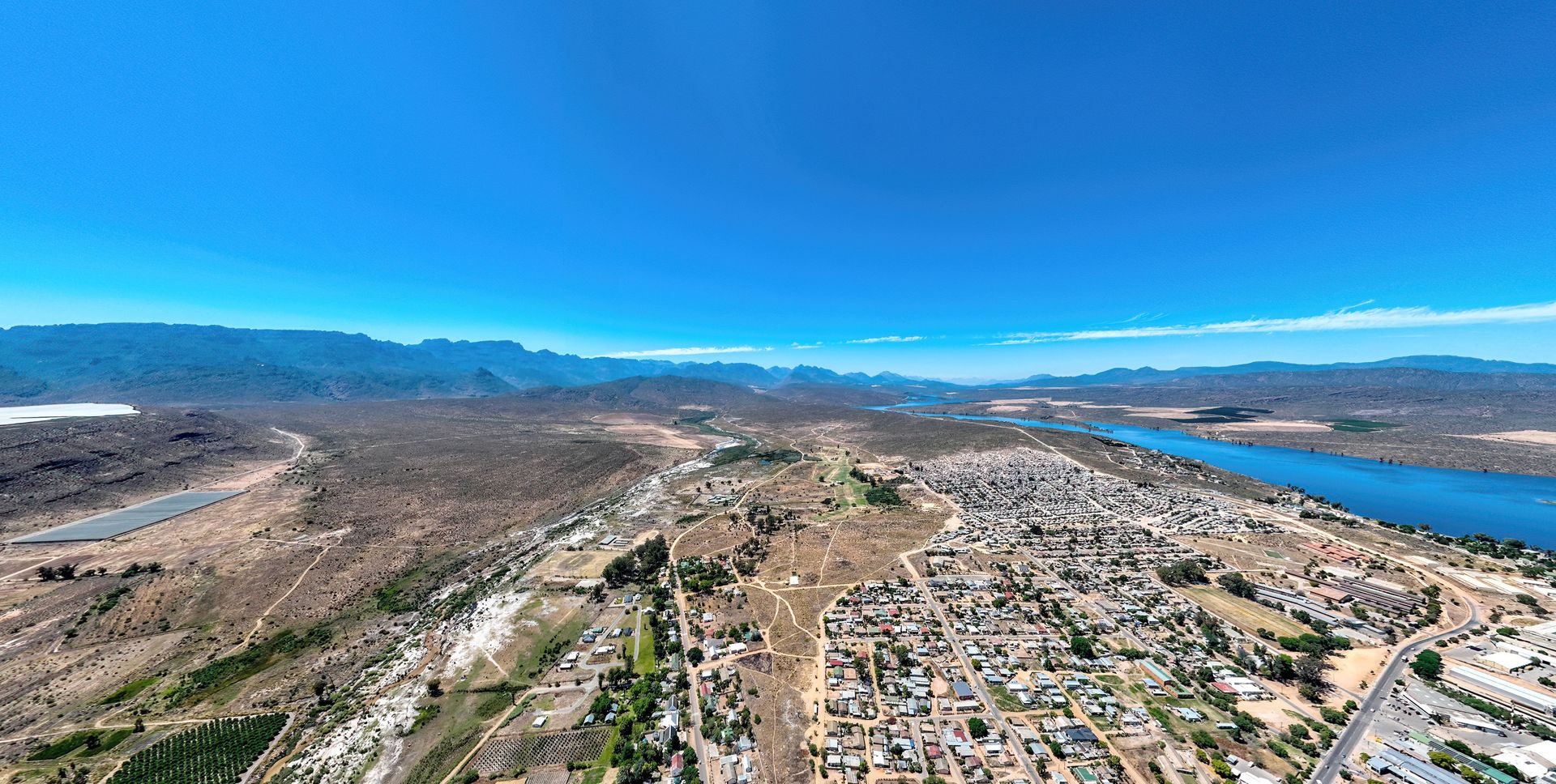
The Olifants is South Africa's richest river for unique indigenous fish — and that shapes everything about fishing it. Bass and carp are yours to keep. The fish the valley is famous for go back in the water. Here is the licence you need, where to cast, and how to tell the difference.
| Licence | CapeNature freshwater angling licence, R45 administrative fee, 2–5 working days |
|---|---|
| Where it applies | Inland public waters — rivers and state dams. Private farm dams are generally excluded |
| Main venue | Clanwilliam Dam, about 22 km long, roughly 58 km north of Citrusdal on the N7 |
| Keep | Smallmouth and largemouth bass, carp, bluegill — all introduced |
| Release | Every indigenous species, including Clanwilliam yellowfish and sawfin |
| Fly season | Roughly August to May for yellowfish, catch and release |
| Bass fishing | Year-round; the Clanwilliam Bass Classic runs in October |
Do you need a licence to fish here?
Yes. Under the Western Cape Nature Conservation Ordinance, no person may fish in inland waters without an angling licence, and that covers the rivers and the state dams — Clanwilliam Dam included. CapeNature issues it for an administrative R45 fee and says it takes two to five working days, so this is something you sort out before you leave home, not on the morning you want to fish.
Privately owned farm dams are generally outside the requirement, but that is the landowner's call and the rules change. If you are fishing on a guest farm, ask them directly what you need.
Apply through CapeNature's angling licence page. Fees, processing times and conditions change — treat the figures here as a guide and confirm the current position with CapeNature.
Why the Olifants is a special river
CapeNature calls the Olifants system the hotspot for indigenous fish diversity in the Western Cape, with the highest number of unique indigenous species of any system in the province. It is the only river system in southern Africa with more than six fish taxa restricted to its own catchment — eight species live in the Olifants catchment and nowhere else on earth.
That is the same story as the rooibos on the slopes above and the fynbos on the mountain: a narrow, isolated valley where things evolved on their own. It is also why the fishing here comes with rules that do not apply on other South African rivers.
The trouble arrived deliberately. Bass and bluegill were stocked as sport fish in the 1930s and 1940s, and they eat the young of the indigenous fish. The Clanwilliam yellowfish was widespread through the Olifants and the Doring before that; it is now uncommon in both, holding on mainly in the upper Olifants gorge and in tributaries the bass never reached.
What can you catch, and what has to go back?
| Fish | What it is | Keep or release |
|---|---|---|
| Smallmouth bass | Introduced. The main target at Clanwilliam Dam, one of South Africa's best-known smallmouth venues | Keep |
| Largemouth bass | Introduced. Also in Clanwilliam Dam | Keep |
| Carp | Introduced. Common in the dams | Keep |
| Bluegill | Introduced, stocked from the 1930s. A major predator of indigenous fry | Keep |
| Clanwilliam yellowfish Labeobarbus seeberi | Endemic to the Olifants–Doring system. Listed Near Threatened. The fly angler's fish here | Release |
| Clanwilliam sawfin Cheilobarbus serra | Endemic. Listed Near Threatened. The other indigenous angling species | Release |
| Clanwilliam sandfish Labeo seeberi | Endemic. Listed Endangered — South Africa's most threatened migratory freshwater fish | Release |
| Redfins, rock catlets, kurper, galaxias | Small indigenous fish of the Cape Floristic Region, most of them threatened. Not angling species | Release |
Species and conservation status per the CapeNature indigenous fish fact sheet and the SANBI Red List of South African Species. Listings are reassessed periodically — check the current status before you rely on it.
Wet your hands first, keep the fish in the water, unhook it quickly and let it swim off under its own power. A barbless hook and a knotless net make all of that easier. A yellowfish takes years to reach the size worth photographing, and there are not many of them left.
The one genuinely useful thing an angler can do here is take the bass home. Removing bass from stretches of Cederberg river has been shown to let juvenile yellowfish recover.
Where to fish from Citrusdal
Clanwilliam Dam — bass and carp
About 58 km north on the N7, and the obvious day trip. The dam runs roughly 22 km and is known nationally as a smallmouth bass venue; largemouth, carp and bluegill are there too. The local angling club runs competitions through the year, of which the Bass Classic in October is the big one. Citrusdal works as a base if Clanwilliam is booked out — see where to stay ›
The Doring River — yellowfish on fly
The Doring is the Olifants' seasonal twin, running in the rain shadow behind the Cederberg. It drops through summer, and that is what makes it fishable: low, clear water and visible fish. Fly fishing for Clanwilliam yellowfish runs roughly August to May and is catch and release. Access is across private farms and it is a long way on gravel, so go with a guide or with the landowner's arrangement rather than looking for a public bank.
The Olifants at Citrusdal
The river runs past the town itself, and much of the bank is farmland. Ask at your guest farm — several places along the river let guests fish their own stretch, which is also the simplest way around the public-water licensing question.
We would like to list guides, guest farms with river access and dam-side accommodation properly. If that is you, add your listing ›
Practical notes
- Licence sorted before you travel — 2–5 working days
- Barbless hooks and a knotless net
- Summer is hot and shadeless — shade, water, hat
- Winter rain lifts the rivers and colours the water
- Little to no phone signal on the Doring
- Gravel roads — high clearance helps, and allow extra time
- Fuel and shops in Citrusdal, then nothing
- Take your line home. Discarded nylon kills birds
Fishing near Citrusdal — quick questions
Is there trout?
Trout is stocked in parts of the Western Cape, but the Olifants system's angling story is bass in the dams and indigenous yellowfish in the rivers. Ask locally rather than assuming a trout water.
Can you fish without a boat?
Yes. The rivers are bank and wade fishing, and there is bank access at the dam. A boat opens up far more of Clanwilliam Dam.
Is it good for children?
A quiet stretch of the Olifants and a simple rod is one of the better afternoons here. See the family weekend plan ›
All things to do in Citrusdal ›Last updated September 2026 · licences, fees and conservation listings change — confirm with CapeNature before you travel