Citrusdal is where two of South Africa's most famous crops actually grow: rooibos — the caffeine-free tea that grows commercially nowhere else on earth — and the oranges that made the valley's name. This journey takes you into the working valley: walk a rooibos farm, tour a citrus packhouse, and taste at De Tol and Carmién Tea. It is a quiet, close-to-nature day that shows you where the story begins.
The story at a glance
| Rooibos | Grows commercially only in the Cederberg; the valley is its heartland |
|---|---|
| Citrus | Roughly 14% of South Africa's crop, across about 200 farms |
| Where to see it | Carmién Tea's rooibos farm, De Tol farm tour, Hexrivier organic lemon tour |
| Where to taste | De Tol at the Carmién tea farm |
| Best length | A relaxed half-day, or a full day to do both crops |
| Best season | Rooibos harvest in summer; citrus packing March–September |
| Book ahead | Yes — farm visits are usually by arrangement, not walk-in |
Visits are generally by appointment. We publish no prices or opening hours because we hold no verified source for them — phone the farm first. See things to do for the full list.
The rooibos half
Rooibos is Aspalathus linearis, a fynbos shrub that grows commercially nowhere else on earth — only in the Cederberg and the surrounding Western Cape, with Citrusdal and Clanwilliam at the centre of it. It needs the acidic, sandy, nutrient-poor mountain soil and the Mediterranean climate of wet winters and hot, dry summers. The EU recognised that tie between product and place with a protected designation of origin in 2021 — the same class of protection that reserves the name Champagne for a defined place.
What surprises most visitors is that a rooibos field is green. The red comes later: after cutting, the leaf is bruised and left to oxidise, and that oxidation is what turns it the deep red-brown in the cup. Skip the oxidation and you get green rooibos — the same plant, lighter and grassier. A good farm tour puts red and green side by side so the difference stops being an abstraction. The full rooibos story ›
More than 90% of South Africa's rooibos comes from the Cederberg. The mountains that do this are the ones on the eastern skyline from town — see the Cederberg from Citrusdal for what else is up there.
The citrus half
Citrusdal is the centre of South Africa's third-largest citrus-producing area, growing roughly 14% of the national crop across about 200 farms. The valley sits on the upper reaches of the Olifants River, bounded by the Olifants River mountains to the west and the Cederberg to the east — a Mediterranean climate that suits varieties needing a spell of cool temperatures to develop colour. It is especially known for navel and Valencia oranges.
The harvest and packing season runs roughly March through September, when about 6 000 people are at work in the orchards and packhouses. Because the seasons are inverted, South African fruit lands in the northern hemisphere during its summer — filling a counter-seasonal gap. A packhouse tour in season shows the sorting, grading and packing that gets the fruit onto ships. The working valley, in numbers ›
Where to see and taste it
These are the places we hold sourced information for. Visits are generally by arrangement, not walk-in, so contact each one directly.
Carmién Tea Rooibos Farm
The rooibos farm at De Tol, on the Citrusdal side of the valley. Contact the farm directly to arrange a visit.
See the listing → Farm tour · De TolDe Tol Farm Tour
A working farm tour at the Carmién estate, paired with the farm-stall deli, rooibos and tastings.
See the listing → Organic tour · HexrivierHexrivier Organic Lemon Tour
An organic citrus tour on the Hexrivier Sitrus farm — see the trees and the fruit up close.
See the listing → Taste · De TolDe Tol Farm Deli
The farm-stall deli at the Carmién tea farm — rooibos tastings alongside food, gin and wine.
See the listing →Producer profiles with sourced facts: Carmién Tea, Mouton Citrus, Goede Hoop Citrus, ALG Estates.
How to build your day
A relaxed rooibos-and-citrus day looks something like this:
- Start at Carmién Tea's rooibos farm for a field visit and tasting
- Lunch at De Tol farm deli — rooibos, food and a wander
- Add a citrus tour — De Tol's farm tour or the Hexrivier organic lemon tour
- Finish with a tasting or a soak at The Baths to round out the day
Pair it with a stay at a guest farm or The Baths to make a full weekend of it. Where to stay ›
When to come
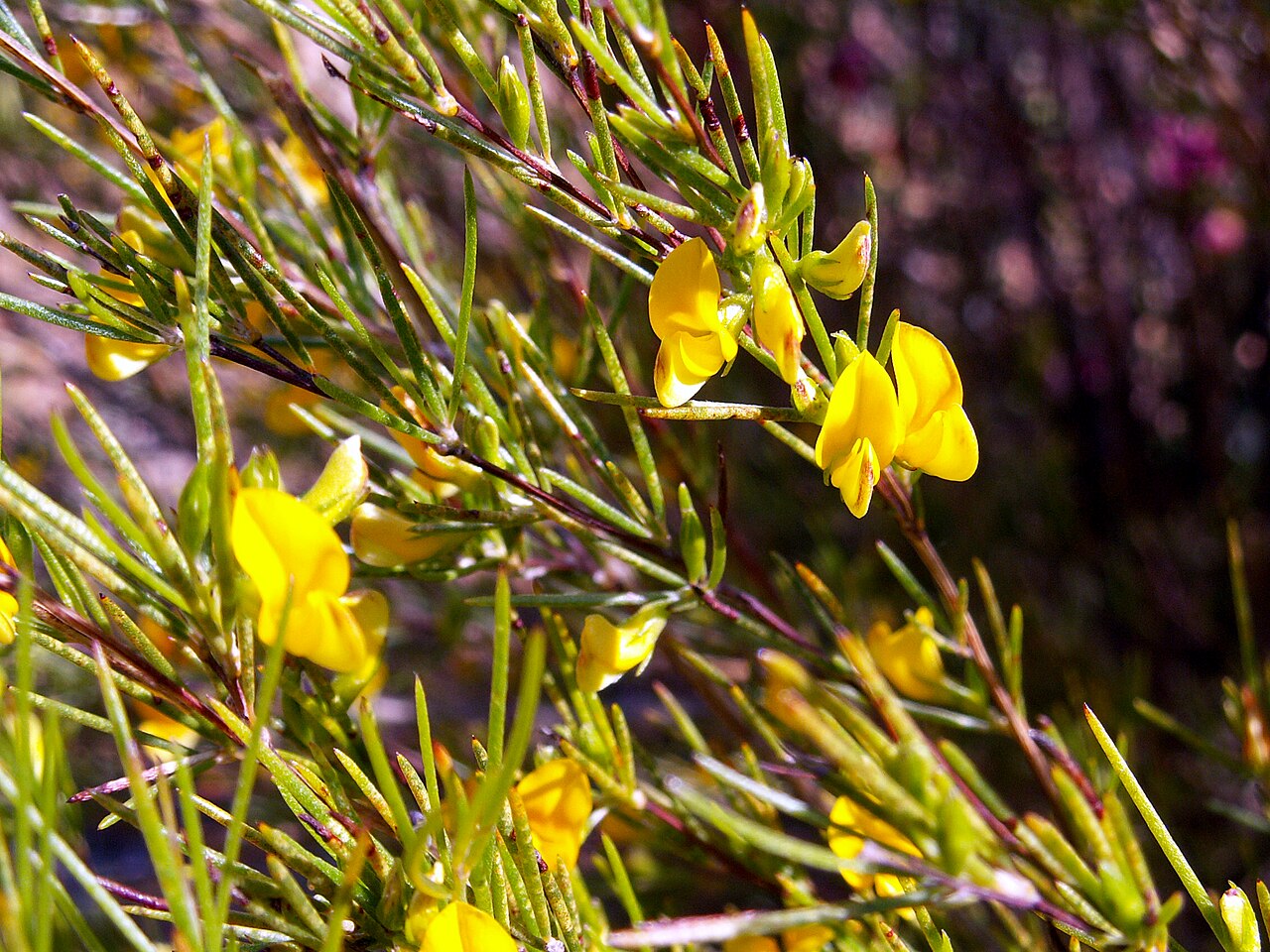
Rooibos is harvested in summer, so a visit in the hot months is the one most likely to put cutting and drying in front of you. Citrus harvest and packing runs roughly March to September. Spring is the other good answer: the rooibos bushes carry their small yellow flowers, and the West Coast wildflower season is on. Season by season, including weather averages, is on when to visit.
| Rooibos harvest | Summer — exact weeks vary by season and farm |
|---|---|
| Citrus harvest & packing | About March to September, varying by cultivar |
| Rooibos flowering | Spring, small yellow flowers on the bush |
| Arranging a visit | Contact the farm directly; tours are usually by appointment |
Rooibos & citrus — quick questions
Can you actually visit a rooibos farm?
Yes. Carmién Tea's rooibos farm at De Tol runs visits and tastings, usually by arrangement. A tour typically covers the field, the drying and sorting, and a tasting that puts red and green side by side.
Can you tour a citrus packhouse?
Some operations run visitor experiences, including De Tol's farm tour and Hexrivier's organic lemon tour. In season you may see the sorting, grading and packing. Contact the farm directly to arrange it.
Is this a good day for international visitors?
Yes — it is the story behind two products the world buys, told where they grow. It is quiet, close to nature, and easy to do at your own pace.
Last updated August 2026 · visits are by arrangement · no prices or opening hours are stated