
Some of the oldest vines in South Africa grow on a sandstone plateau above an orange town, and most people drive straight past them on the N7. Up on the Piekenierskloof, Grenache and Chenin Blanc have grown as unirrigated bush vines for more than sixty years. You can taste them at the top of the pass, with rooibos gin next door, at a small farm that pours by appointment, and among the highest vineyards in the Western Cape, at the end of a gravel road. The winelands have the fame. This valley has the old vines, and the quiet.
Why the vines up here are so old
The pass is named after soldiers. Under the Dutch East India Company, piekeniers (pikemen) were posted on this mountain to guard travellers crossing into the Olifants River valley, and the story goes that some of them liked the valley enough to stay. The cellar that makes most of the wine here still puts them on its labels.
Farmers brought vines. Then in 1918 the KWV was formed to control the Cape's wine trade, and many farmers in this valley pulled out their vines and planted citrus rather than answer to it. It is one of the reasons this became an orange valley.
But not everyone pulled theirs out.
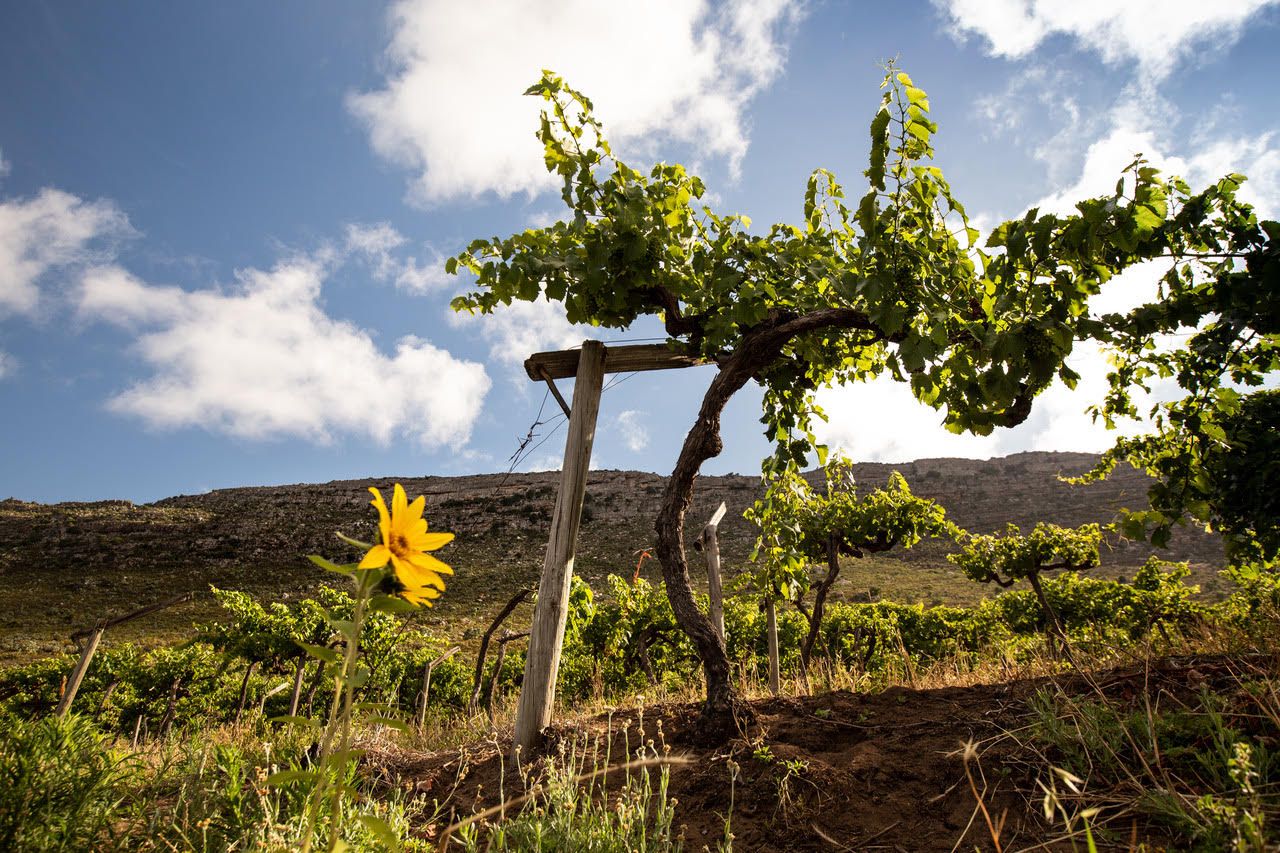
Johan Abraham van Zyl and his wife Wilhelmina settled on the plateau in 1923. A co-operative cellar followed in the late 1950s, and their son Carel planted the family's first vineyards in 1962. Those vines grow as bush vines in Table Mountain sandstone at 650 to 700 m. They are ungrafted and never irrigated, and live on whatever rain the winter brings. Warm days and cool nights at that height ripen the grapes slowly. The co-op's best-remembered wine was its "Chianti", a Grenache and Cinsault blend made by Hermann "Oubaas" Wolff, which stayed in production under the Goue Vallei label until 2006.
In 2017 the cellar became Piekenierskloof Wines, owned by Carel's grandsons Oubaas and Potgieter van Zyl and their sister Mientjie Mouton, who also founded Carmién Tea. That is why the wine and the rooibos share a stop on the pass.
How old the oldest vines are depends on who you ask. The cellar calls a Grenache block it planted in 1973 the oldest Grenache vineyard in South Africa. A history in Winemag goes further back, to a Grenache and Cinsault field blend planted on the farm Môrewag in 1957, and quotes a winemaker whose family says Grenache was growing here in 1729, while admitting that nothing on paper proves it. The same writer wondered whether Napoleon, in exile on St Helena, drank Citrusdal Grenache. His own answer: probably not.
Either way, old vines are now prized in South African wine. The Old Vine Project certifies vineyards of 35 years and older as heritage vineyards, and Piekenierskloof Wines carries its seal. Grapes from up here also leave in other people's bottles. Wine merchants name Piekenierskloof as the source of the Grenache in Boekenhoutskloof's The Chocolate Block.
Look for Citrusdal Mountain or Piekenierskloof on the bottle. Under South Africa's Wine of Origin scheme, Citrusdal Mountain is a district of the Olifants River region and Piekenierskloof is a ward inside it, so the name tells you where the grapes grew. Cederberg is a separate ward of its own.
History from Piekenierskloof Wines' own profile on WineTourism.com and its website; the KWV, the "Chianti", Môrewag and Napoleon from Winemag; the 35-year rule from the Old Vine Project; The Chocolate Block from wine merchants, including Culture Wine Co, not from the producer. The co-op's founding year is given as 1957 by the winery and 1958 by Winemag, so we say the 1950s.
On the pass: Piekenierskloof Wines
Start here, because it is right on the road. The tasting room sits just behind De Tol Deli at the top of the Piekenierskloof Pass, a farm stop on the N7 that the winery says has looked after travellers since 1849. Pull in on the way up from Cape Town and you are tasting before you have seen the town.
Cellar master Jaco van Niekerk makes three ranges: the Six Hats, the Piekenierskloof Collection with its eight soldier labels, and the Old Vine Collection, from bush vines more than 50 years old. Ask about the rarer bottles too, such as a Platklip Palomino from old vines and an MCC called Wilhelmina.
- Grenache tasting and farm feast, R180
- Six Hats wine and farm feast, R150 (any four wines from the range)
- Wine and farm delight, R150
- Wine and tea tasting, with Carmién rooibos, R220
Book through WineTourism.com, or straight with the cellar by email at info@pkwc.co.za or on 022 921 2233. The cellar does not publish its own tasting times. The deli in front is open 08:00 to 17:00 Monday to Saturday and 08:00 to 15:00 on Sunday, so a late Sunday is the one time to phone first. Piekenierskloof Wines ›
One more label is made in town: Cecilia Wines, from winemaker Cerina van Niekerk, who is also a trained concert pianist. A share of its sales funds a music programme in the local community. We could not confirm a tasting room, so look for the bottles rather than a door.
Ranges and booking details from piekenierskloofwines.co.za; tastings and prices as listed on WineTourism.com, read 4 October 2026; deli hours from Carmién Tea; Cecilia Wines from MCC Label.
Rooibos gin at De Tol
Next door, the Carmién tea shop has done something only this valley could: it distils rooibos into gin. There are two. Floral Berry is the light one, juniper first and a lingering berry finish. Citrus Chai is spicy and warm. The tasting pairs each with its own nougat: Citrus Chai with white chocolate, vanilla, olive oil and almond, and Floral Berry with almond and cranberry.
The same counter does rooibos tastings and rooibos cappuccinos, and will blend you a tea of your own. The deli does lunch, so this is where an afternoon on the pass slows down. Bookings are preferred, on 067 410 3315. De Tol › · The rooibos story ›
Gins and pairings from Carmién Tea, read 4 October 2026.
Tierhoek: old vines, by appointment
Higher up and further out, Harry and Charl van Schalkwyk farm Tierhoek, a small wine farm high in the Piekenierskloof, north of Citrusdal. They make small batches from old vines, with as little intervention as they can: an Old Vine Chenin Blanc and a Grenache, an MCC, a Sauvignon Blanc, a Chardonnay and a straw wine.
Tastings run any day of the week, 09:00 to 16:30, by appointment only. There is no walk-in counter, so phone 082 536 7134 or email info@tierhoek.com before you set off. If one glass turns into three, the farm has a self-catering cottage. Arrange the tasting when you book the bed. Tierhoek Wines ›
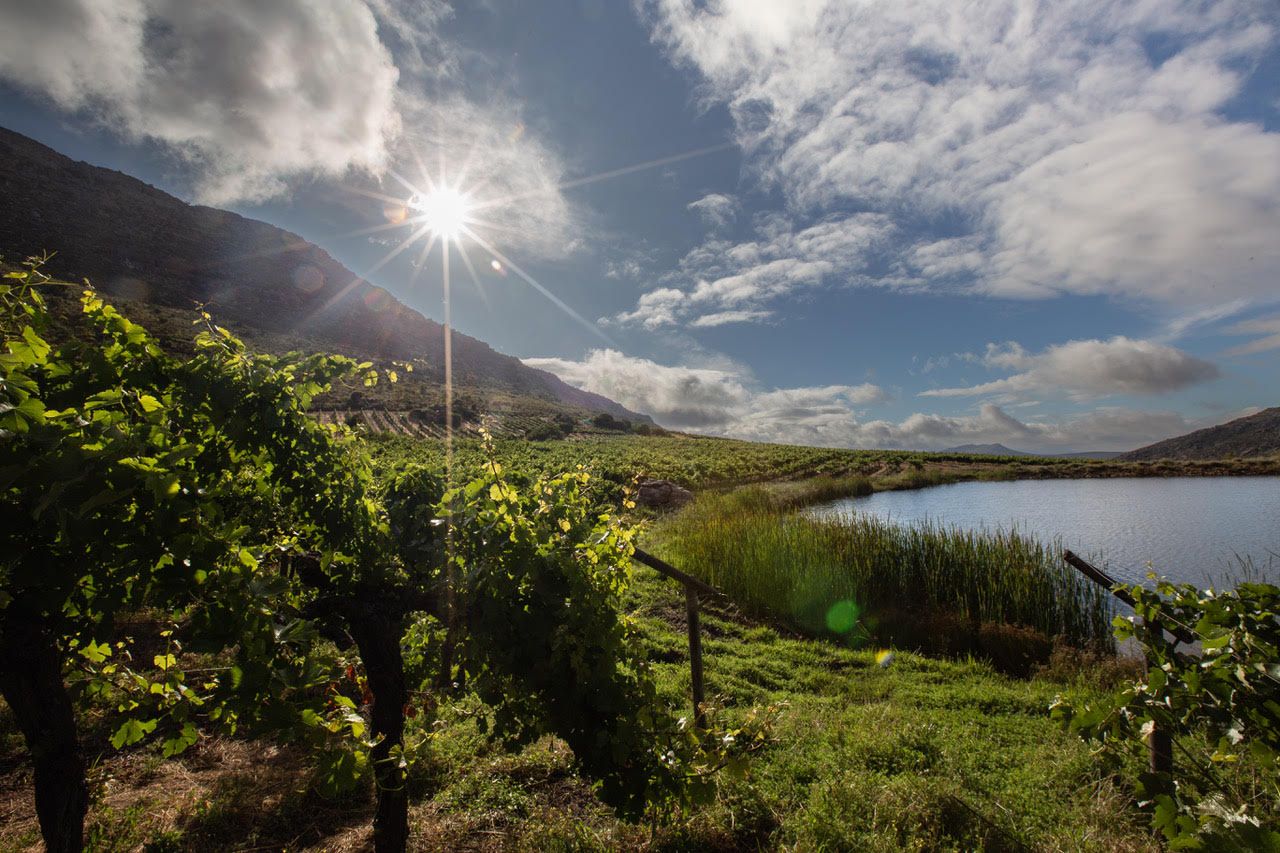
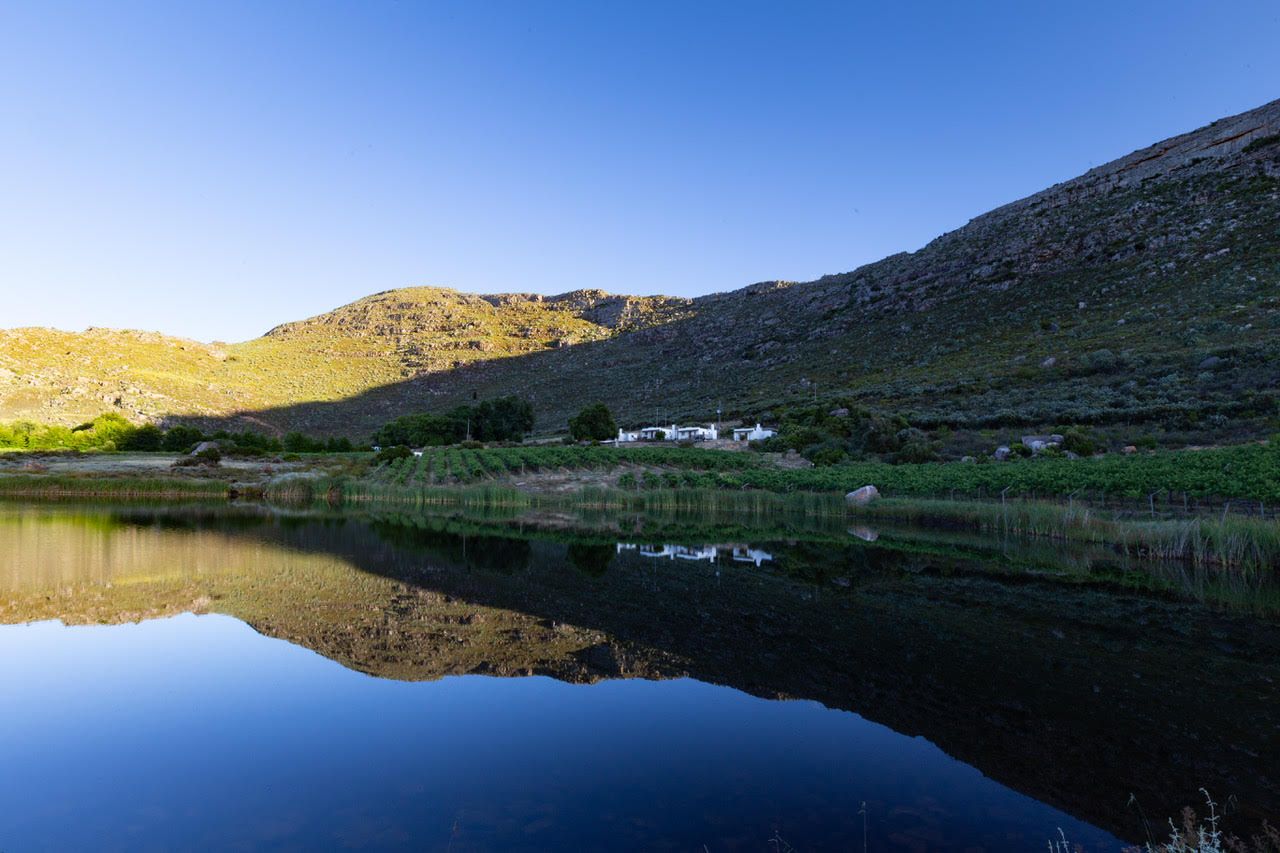
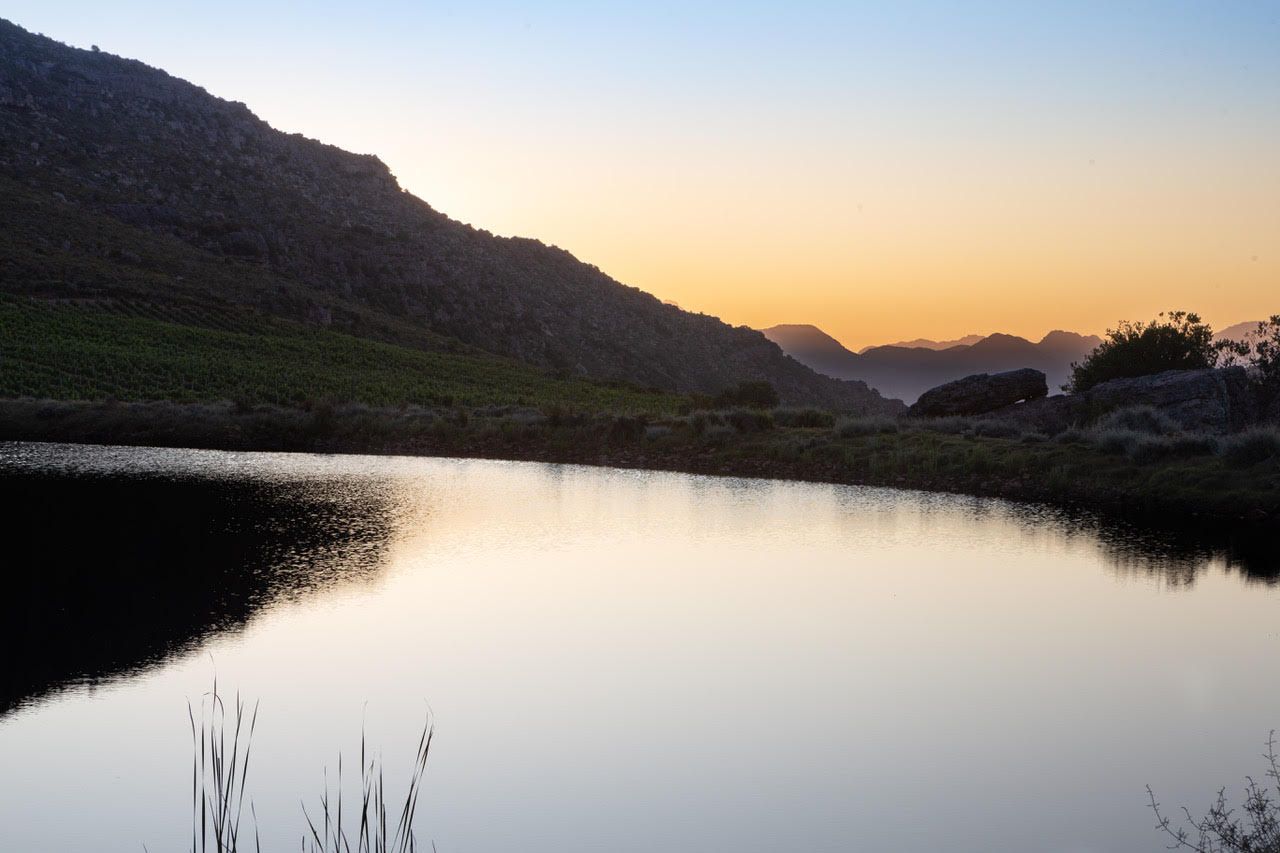
Details and photographs supplied by Charl van Schalkwyk of Tierhoek Wines, 8 September 2026, for use on this site.
Further in: the highest vineyards in the Western Cape
Cederberg Wines is a different kind of day out. The Nieuwoudt family's cellar is on the farm Dwarsrivier, at the foot of the 2 026 m Sneeuberg, and its vineyards sit at 950 to 1 100 m. The winery says that makes them the highest in the Western Cape. Fifth-generation winemaker David Nieuwoudt makes the wine, and the tasting room looks through glass into the barrel cellar.
Getting there is part of the day: about 28 km up the N7, then roughly 46 km of gravel over the Uitkyk Pass.
- Open Monday to Saturday, 09:00 to 16:30, and on public holidays
- Closed on Sundays, Good Friday and Christmas Day
- Standard tasting R150 a person; the Five Generations tasting, two wines, R80
- No dogs
On the same farm, the family's Cederberg Brewery began in 2009 as a 200-litre hobby and now brews about fifty times that, with water from the mountain springs. Its taproom opens on selected weekends only, so email gerrit@cederbergbrewery.com for dates before you plan around it. Cederberg Wines ›
Nieuw Brew is in the same mountains, on the Kromrivier farm. It calls itself the first brewery in the range and names its beers after the fish in the Cederberg rivers: a Galaxias Blonde, a Chubbyhead Stout, a Sandfish Weiss. It publishes no taproom hours, so phone ahead.
None of these is an afternoon add-on to the pass. They are mountain drives on gravel, and the wine at the end of one does not mix with the road home. Decide on a driver before the first glass, or book a bed in the Cederberg for the night. The Cederberg ›
Hours, prices, altitude and the brewery from Cederberg Wines' own site (the farm, the brewery), read 4 October 2026; the gravel distance per the Dwarsrivier directions on our hiking page.
Three ways to plan it
An afternoon on the pass
- A Grenache tasting at Piekenierskloof Wines
- Lunch next door at De Tol, with the gin and nougat pairing
- Tierhoek afterwards, if you arranged it ahead
A night among the vines
Book the cottage at Tierhoek, taste on the farm in the late afternoon, and stop at the pass on your way home the next day.
A Saturday in the Cederberg
Saturday, because Cederberg Wines is shut on Sundays. Taste at Dwarsrivier, check whether the brewery's taproom is open that weekend, and sleep in the mountains rather than drive the gravel back. Where to stay ›
Whatever you taste, buy a bottle at the cellar door. It is the simplest way to make sure these old vines are still in the ground for the next visit.
The Citrus & Wine Affair
Once a year the valley's wine comes to town. Citrusdal Tourism hosts the Citrus & Wine Affair at The Old Village: two days of Cederberg and Piekenierskloof wine, with live music and food. The 2026 festival ran on 31 July and 1 August, and one ticket covered a glass and both days. Next year's date goes up on our noticeboard once it is announced.
2026 dates and format from the Wesgro events listing, read 4 October 2026.
Wine in Citrusdal: quick questions
Is there wine tasting in Citrusdal?
Yes. Piekenierskloof Wines pours at the top of the Piekenierskloof Pass, just behind De Tol Deli on the N7. Tierhoek Wines, higher up in the Piekenierskloof, pours by appointment. Cederberg Wines is a day trip into the mountains at Dwarsrivier and is closed on Sundays.
What wine is Citrusdal known for?
Old-vine Grenache, and old-vine Chenin Blanc. On the Piekenierskloof plateau they grow as ungrafted, unirrigated bush vines at 650 to 700 m, and some are more than 60 years old.
Is Citrusdal a wine region?
Yes. Under South Africa's Wine of Origin scheme, Citrusdal Mountain is a district of the Olifants River region, and Piekenierskloof is a ward inside it. Cederberg, where Cederberg Wines grows its grapes, is a separate ward.
Where can you taste gin in Citrusdal?
At the Carmién tea shop at De Tol Farm Deli on the Piekenierskloof Pass. It makes two rooibos distilled gins, Floral Berry and Citrus Chai, and pairs each with its own nougat. Book on 067 410 3315.
Is there craft beer near Citrusdal?
Two breweries, both in the Cederberg rather than in town. Cederberg Brewery is on the farm Dwarsrivier and opens its taproom on selected weekends only. Nieuw Brew is on the Kromrivier farm.
How far is Cederberg Wines from Citrusdal?
About 28 km north on the N7, then roughly 46 km of gravel over the Uitkyk Pass to the farm Dwarsrivier. It is a day of its own. The tasting room is open Monday to Saturday and on public holidays, 09:00 to 16:30, and closed on Sundays.
Can you do a tasting trail in one afternoon?
On the pass, yes. Piekenierskloof Wines and the gin and rooibos tastings at De Tol are side by side on the N7. Tierhoek needs an appointment, and Cederberg Wines and the two breweries are each a gravel drive into the mountains.
Do you need to book a tasting?
At Tierhoek, always: it is by appointment only. Piekenierskloof Wines takes bookings by email or WhatsApp, and De Tol prefers bookings for its pairings. Cederberg Wines takes walk-ins in its opening hours and arranges group tastings.
Is it busy like the Stellenbosch winelands?
No. There are three cellar doors between the pass and the Cederberg, and you will rarely queue at any of them. That is most of the appeal.
Last updated October 2026 · tasting times change, so confirm with each cellar before you drive